


Boron Powder
Specializes in producing high purity Boron Powder with the smallest possible average grain sizes for use in preparation of pressed and bonded sputtering targets and in Chemical Vapor Deposition (CVD) and Physical Vapor Deposition (PVD) processes including Thermal and Electron Beam (E-Beam) Evaporation, Low Temperature Organic Evaporation, Atomic Layer Deposition (ALD), Metallic-Organic and Chemical Vapor Deposition (MOCVD). Powders are also useful in any application where high surface areas are desired such as water treatment and in fuel cell and solar applications. Nanoparticles also produce very high surface areas. Our standard powder particle sizes average in the range of - 325 mesh, - 100 mesh, 10-50 microns and submicron (< 1 micron). We can also provide many materials in the nanoscale range. We produces to many standard grades when applicable, including Mil Spec (military grade); ACS, Reagent and Technical Grade; Food, Agricultural and Pharmaceutical Grade; Optical Grade, USP and EP/BP and follows applicable ASTM testing standards. Typical and custom packaging is available. We also produce Boron as rod, ingot, pieces, pellets, disc, granules, wire, and in compound forms, such as oxide. Other shapes are available by request.whole...Architectural design & planning cepteur sint occaecat cupidatat proident, taken possession od my entire soul, like these sweet mornings of spring which I enjoy with my whole Lorem ipsum dolor sit ament, consectetur adipisicing elit,sed do eiusmod tempor incididunt labore et dolore magna aliqua. it enim ad minim veniam.


Product Categories


Advantages of Boron Powder
High purity and chemical resistance
Boron powder is characterised by its exceptional purity, making it an ideal material for applications where impurities could affect performance. This high purity, coupled with its remarkable chemical resistance, allows boron powder to function under aggressive chemical conditions without losing its properties. This resistance makes it a valuable material in chemical processes where it can be used as a catalyst or reaction medium.
Thermal stability for high-temperature applications
Another outstanding property of boron powder is its thermal stability. It retains its structure and functionality even at high temperatures, which makes it indispensable for a variety of high-temperature applications. This thermal stability is particularly important in the aerospace industry, in the development of composite materials and in nuclear technology, where materials are exposed to extreme temperature conditions.
Wide range of applications
The versatility of boron powder opens up a world of possible applications. In nuclear technology, it serves as a neutron absorber that helps to regulate nuclear reactions. In the semiconductor industry, boron powder is used for doping semiconductor materials to improve their electrical properties. It is also used in the production of composite materials, where it strengthens the mechanical properties and contributes to weight reduction, which is particularly important in the aerospace and automotive industries.
Our factory
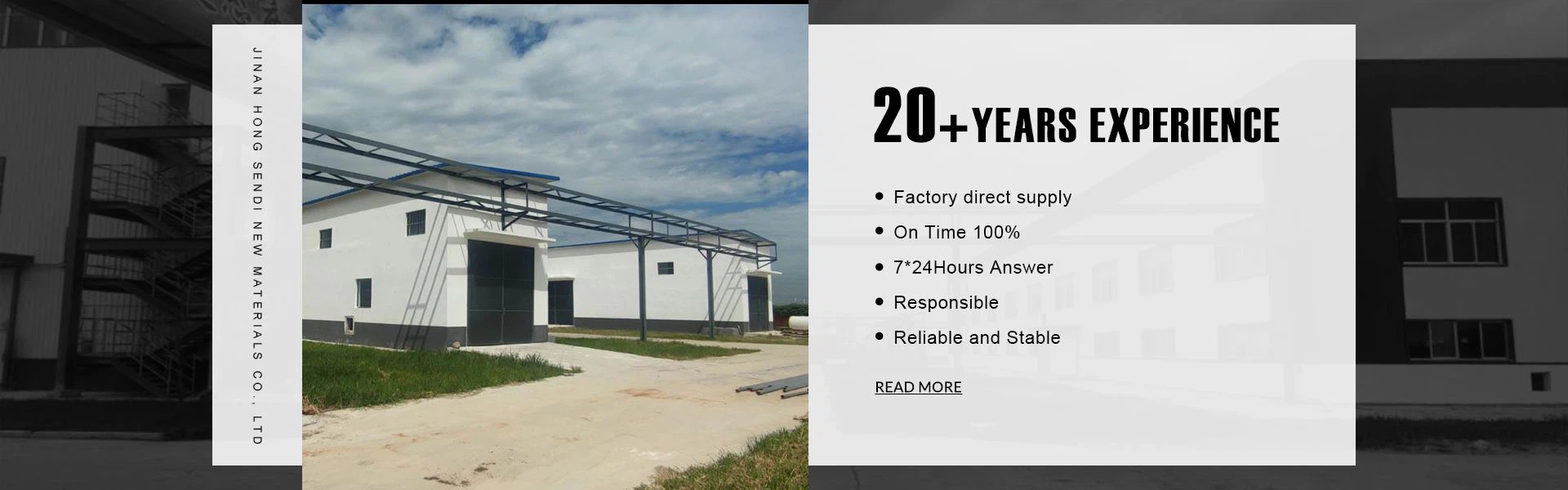
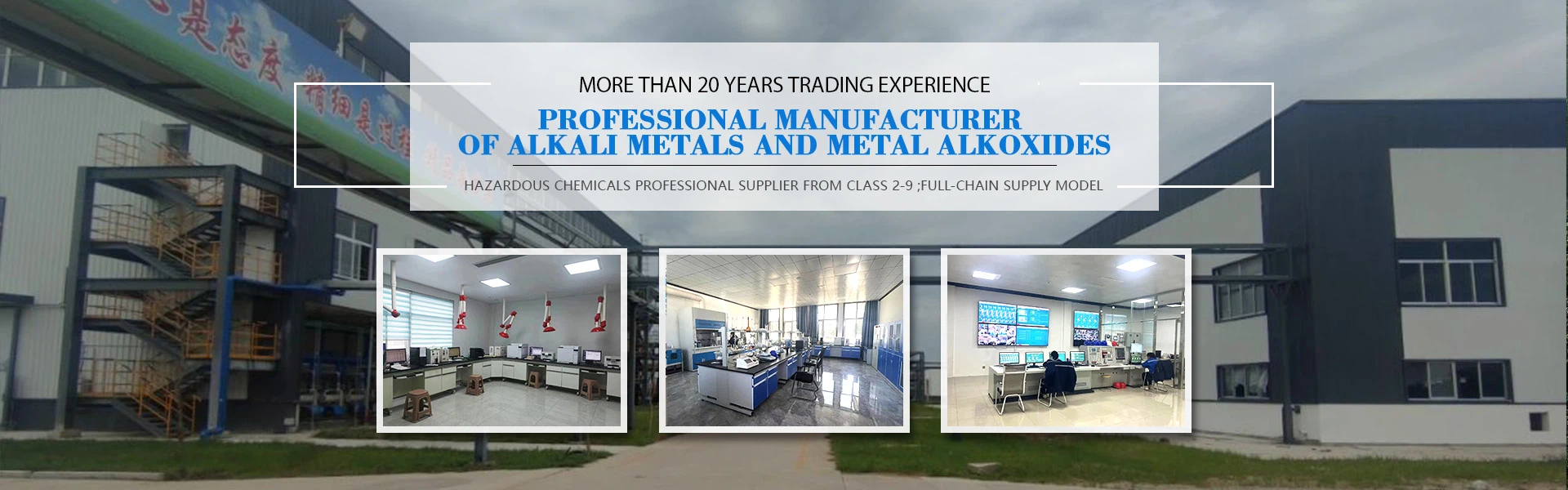
Jinan Hong Sendi New Materials Co., Ltd. is located in Jinan. The company was founded in 2019 and is a modern chemical enterprise integrating research and development, production, and sales. The company's production bases are located in Jining and Weifang, Shandong Province.
Our product
The company specializes in customized production of pharmaceutical intermediates, pesticide intermediates, liquid crystal intermediates, and some raw materials. The alcohol sodium and alcohol potassium series are the company's main products, and they are the leading enterprises in the same industry in China. These products are widely used in the production of COVID-19 special drugs, vitamins, sulfonamides, antivirals, anticancer, and anti-AIDS drugs, as well as in the organic synthesis of low-toxic, long-lasting chemical herbicides, insecticides, fungicides, and growth regulators.
Research and development
The company's research and development center has strong research and innovation capabilities in process development and process optimization. There are three doctoral students and five master's students. The company also collaborates with more than ten universities and research institutes, such as Shandong University, Nankai University, and Moscow State University, and has embarked on a path of combined development of "production, study, and research," injecting vitality into the company's rapid development.
Our service
We provide quality and efficient services with a customer-centric business philosophy. The company has always been committed to providing strong and timely technical support, good and perfect services, and strives to win the best reputation in the customer and market.
Related Physical and Chemical Properties of Boron Powder
Boron powder is a black or dark brown powder that can react with fluorine at room temperature and will not be corrupted by alkali and hydrofluoric acid aqueous solutions.
Boron powder is also called amorphous boron powder. Boron has a high mass calorific value and volume calorific value. It is a light brown to gray-black powder with relatively active chemical properties. Still, it is relatively stable at room temperature and will be oxidized when the temperature reaches 300 degrees celsius. The ignition level is very high, requiring 700 degrees celsius to ignite. Boron powder can react with oxygen, nitrogen, and sulfur or directly combine with certain metals to form certain borides. Amorphous boron is a brown powder; amorphous boron is a brown powder. Amorphous boron is a brown powder. Crystalline boron is black, very hard (approximately 9.5 at mohs hardness), and has a poor conductor at room temperature. Element boron is used as a dopant in the semiconductor industry, and boron compounds play an important role as light structural materials, pesticides and preservatives, and chemical synthesis reagents.
Elemental boron cas 7440-42-8 is a black or dark brown powder. When oxidized in the air, it will prevent the internal boron from continuing to oxidize due to forming a boron trioxide film. It can react with fluorine at normal temperature and is not corroded by hydrochloric acid and hydrofluoric acid aqueous solution. Boron is insoluble in water; powdered boron is soluble in boiling nitric acid, sulfuric acid, and most molten metals, such as copper, iron, manganese, aluminum, and calcium. Amorphous boron powder solubility: Insoluble in water, hydrochloric acid, ethanol, and ether, soluble in cold concentrated alkali solution, decomposes into hydrogen by concentrated sulfuric acid, nitric acid oxidation into boric acid.

Applications of Boron Powder
Pyrotechnics and fireworks
B powder is used in the production of fireworks and pyrotechnic devices. It acts as a colorant and can produce green flames when ignited .
Nuclear industry
Boron is an excellent neutron absorber, making boron powder useful in the nuclear industry. It is used in control rods and shielding materials to regulate nuclear reactions and protect workers from radiation.
Aerospace and aviation
B powder is used in aerospace applications to enhance the performance of aircraft and spacecraft. It is often used as a lightweight structural material in composites, increasing strength while reducing weight.
Flux
In the welding and metallurgy industries, boron powder is used as a fluxing agent to remove impurities and improve the quality of metal aloys during the smelting process.
Ferilizers
Boron is an essential micronutrient for plants. Boron powder is used in agriculture as a component of fertilizers to address boron deficiencies in soil and promote healthy plant growth.
Pyrotechnic initiators
B powder can be used as an initiator in certain pyrotechnic and explosive devices due to its ability to ignite at high temperatures.
Cosmetics and skincare
Some cosmetic and skincare products use boron powder for its absorption and mattifying properties. It can help reduce shine and provide a smooth texture to makeup and skincare products.
Boron nitride production
B powder can be used as a precursor for the synthesis of boron nitride, a versaile material known for its high thermal conductivity, electrical insulation properties, and lubricating abilties.
Refractory materials
B powder is sometimes incorporated into refractory materials used in high-temperature applications, such as furnace linings and crucibles, due to its ability to withstand extreme heat.
Semiconductor industry
B powder is used to produce boron-doped silicon, an essential material in the semiconductor industry for making p-type silicon, which is used in the fabrication of transistors and diodes.
The Manufacturing Method of Boron Powder
Weighing the reaction materials the reaction materials include 40-48% by mass of Mg powder, 35-42% by mass of B2O3 powder and 10-24% by mass of diluent powder, where the diluent powder is any one of KCl, MgCl2 and NaCl. Mixing of the reaction raw materials and pressurisation of the mixed reaction raw materials to obtain round cake blanks.
First, put the billet into the combustion synthesis reactor and place the igniter on the upper surface of the billet; secondly, fill the reactor with 0.5MPa argon gas, wait until the temperature inside the reactor is heated to 110℃~130℃, discharge the gas inside the reactor until the pressure is 0 and then stop the gas discharge, wait until the temperature inside the reactor is heated to 170℃~190℃ again, discharge the gas inside the reactor completely and keep it warm 0.5h. Then again, fill the reaction kettle with argon gas to make the pressure in the reaction kettle rise to 1Mpa~3Mpa; when the temperature in the reaction kettle rises to 250℃~270℃, the magnesium heat reaction occurs in the reaction kettle; finally, when the magnesium heat reaction is completed and cooled to room temperature, the lump containing boron powder is obtained.
The impurity removal of the lump containing boron powder was obtained using an acid-water washing immersion process to obtain ultra-fine amorphous boron powder with high purity and small particle size.
In addition to studying the ignition and combustion mechanism of boron particles, surface modification strategies are beneficial to improving the combustion efficiency of boron powder. Surface modifications of boron powder can improve the surface properties and increase the energy and reactivity of energetic systems. Energetic materials can release a considerable amount of heat during combustion, which can improve the surface temperature and the ignition and combustion properties of boron. The energetic materials used for boron powder coatings are mainly divided into oxidizers and binders.
AP is a common component in solid propellant, which has the advantages of high formation enthalpy, excellent stability, and being a cheap and abundant resource of raw materials. Therefore, many studies on AP-coated boron powder have been carried out. Investigated the effect of surfactant and preparation processes on the properties of AP-coated boron powder. The results indicated that at an evaporation rate of 10 g·h−1, the use of organic solvent and a silane coupling agent before coating will lead to the more uniform deposition of coating materials on the surface of boron particles. It shows, the morphology of boron particles changes significantly after coating. The raw boron particles without AP coating show a relatively smooth surface and an irregular shape. However, particles coated with 10 and 50% of AP show a surface that is full of small coating agent grains. The AP coating not only increases the specific surface area of boron particles, but also acts as an oxidant by replacing oxygen to react with the boron core. Different from AP-coated surfaces, the surface of AP/lithium perchlorate (LiP) co-coated B is tight and smooth, and no small grains are found. The compatibility of boron powder can be improved by AP coating in HTPB systems due to changes in surface characteristics.
The peak temperature, peak area, and heat release at the low-temperature decomposition stage of the B/AP mixture sample (1415 J/g) were decreased compared with those of the pure AP sample (1835 J/g). This can be attributed to the covering of the low-temperature decomposition peak caused by heat released from the reaction between boron and the decomposition products of AP. On the other hand, the peak high-temperature decomposition stage of B/AP is higher than that of pure AP, which can be attributed to the increased diffusion resistance and the reaction lags induced by boron oxide film formation.
Amorphous boron powder is an important fine chemical product. Due to its high mass calorific value and volume calorific value, it is used as a high-energy solid fuel in propellants and explosives. The amorphous boron powder is usually produced by magnesium thermal reduction, while magnesium is the main impurity produced in the high-temperature reduction. In fact, it is difficult to improve the purity of boron powder products. During the reduction process, the high temperature for a long time makes the product particle size too large, which forms a large amount of crystal boron, and thus seriously affects the chemical activity of amorphous boron powder.
The produced amorphous boron powder produced has defects of low purity, large particle size, and poor activity by the magnesium thermal reduction method. The existence of MgO impurities in the oxide shell of boron powder can reduce the activity of boron during ignition and combustion Many researchers focused on the improvement of the reduction and purification process. For instance, deduced that the average particle size of synthesized amorphous boron powder was 50 nm and the purity was 95.64% by self-propagation of KBH4 with a dilution of activity at 700–850 °C. Yoo et al. It deduced that the maximum combustion temperature of the self-propagating reaction mixture was reduced, and the particle size of the obtained amorphous boron powder was in the range of 30–300 nm by adding NaCl as an inert material during the thermal reduction of magnesium. Studied the cryo-milling of coarse micron grade elemental boron powder for possible generation of nanosized boron powder, which could improve the boron powder activity.
It used the selective heating of microwaves to create cracks between graphite and impurities, allowing the impurities to be removed by direct reaction This demonstrates that the use of microwave selective heating ruptures inclusions in quartz sand leaves holes and microcracks in their original locations, with some microcracks extending into the interior of the quartz sand. The quartz will break into fine particles along the microcracks, exposing the impurity to a new surface and thus removing them from the acid leaching. In addition, metal extraction using microwave selective heating has been widely used in metallurgical engineering.
In this study, using the characteristics of microwave selective heating, the gap between elemental boron and impurities in amorphous raw boron powder was created, the impurities were exposed and then removed by acid leaching to improve the purity of the amorphous boron powder. The impacts of microwave heating on the thermal properties of amorphous boron powder, and those of the microwave heating temperature and time on the magnesium removal, were studied. Moreover, the optimal impurity removal conditions and corresponding impurity removal mechanism of raw boron powder were determined. The results show that microwave heating can increase the particle size of boron powder. However, the characteristics of microwave selective heating can effectively increase the specific surface area of boron powder, thus improving its activity. The prominent achievements of this study are: the shell of boron powder is cracked and impurities are exposed by microwave heating, which provides a new way for purification and modification of boron powder.
Our factory
Jinan Hong Sendi New Materials Co., Ltd. is located in Jinan. The company was founded in 2019 and is a modern chemical enterprise integrating research and development, production, and sales. The company's production bases are located in Jining and Weifang, Shandong Province. The company specializes in customized production of pharmaceutical intermediates, pesticide intermediates, liquid crystal intermediates, and some raw materials. The alcohol sodium and alcohol potassium series are the company's main products, and they are the leading enterprises in the same industry in China. These products are widely used in the production of COVID-19 special drugs, vitamins, sulfonamides, antivirals, anticancer, and anti-AIDS drugs, as well as in the organic synthesis of low-toxic, long-lasting chemical herbicides, insecticides, fungicides, and growth regulators. The metal alcohol salt products are also widely used in the synthesis of biodiesel, flavor and fragrance, liquid crystal materials, and high-end pigments. The company's research and development center has strong research and innovation capabilities in process development and process optimization.
FAQ
We're professional boron powder manufacturers and suppliers in China, specialized in providing high quality chemicals made in China. We warmly welcome you to buy boron powder at competitive price from our factory. Contact us for pricelist and free sample.
Boron Powder, Monomer Boron Powder, Amorphous Boron Powder